
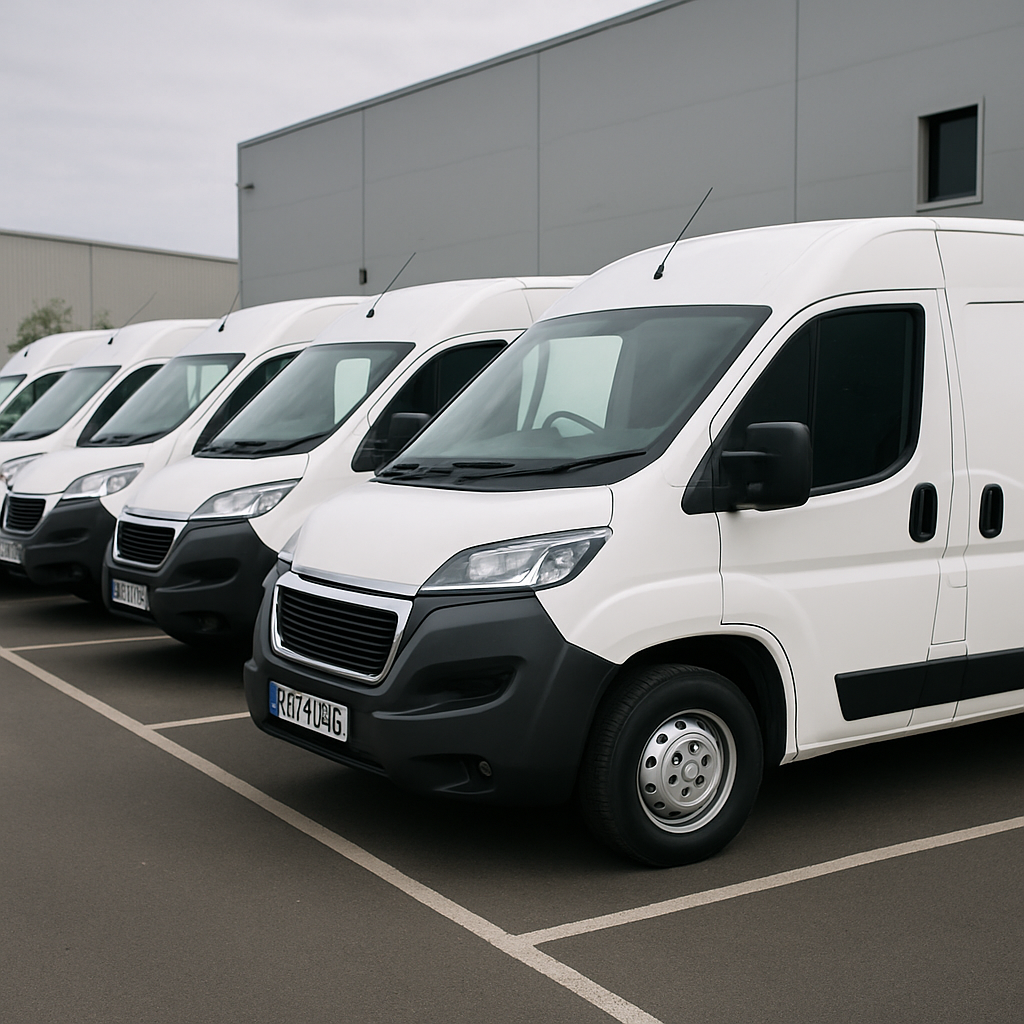
For fleet operators planning van replacement cycles over the next few years, funding decisions remain closely tied to tax treatment. Leasing has long offered flexibility and predictable costs, but until now has sat outside the first-year capital allowances regime.
From 1 January 2026, that position changes, with leased vans set to qualify for a 40% first-year capital allowance (FYA) following confirmation in the Government’s 2025 Budget.
This is the first time leased assets have been brought into the capital allowances regime and marks a significant shift in how businesses can finance and manage their fleets.
Why the change matters
Until now, operators choosing to lease vans have effectively traded tax efficiency for flexibility. First-year allowances were only available on purchased assets, limiting the ability to secure upfront relief without committing significant capital.
The introduction of a 40% FYA changes that calculation, allowing operators to access meaningful first-year tax relief while still spreading costs through a lease, improving cashflow and reducing the financial friction associated with renewing ageing fleets.
For SMEs in particular, where leasing is often essential to managing budgets and risk the measure strengthens the case for investing sooner rather than delaying replacement cycles.
Levelling the playing field, but not all the way
While the 40% allowance does not match the 100% relief available for outright purchases, it still represents a meaningful incentive that expands businesses’ procurement options. For many operators, especially those running mixed-funding fleets, the change brings welcome flexibility and supports more agile fleet planning.
It’s worth noting that the allowance applies to main-rate expenditure only, and cars remain excluded. Businesses will also need to ensure their leasing arrangements qualify, as tax treatment can vary depending on lease structure.
Additional support for EV and charging infrastructure
The Budget also included measures aimed at supporting longer-term fleet decarbonisation. These include:
• A 10-year, 100% business rates relief for EV chargepoints and EV-only forecourts
• A one-year extension to 100% FYAs for zero-emission cars
• A one-year extension to 100% FYAs for EV charging infrastructure
These extensions now run until 31 March 2027 for corporation tax and 5 April 2027 for income tax, giving fleets continued certainty when planning EV adoption and charging investments.
What this means for fleet operators
From 2026, leasing a van will no longer mean sacrificing first-year tax relief entirely. In practical terms, the change offers:
• Upfront tax relief of 40% when leasing a van
• Improved cashflow, as costs can be spread over the lease while still benefiting from a first-year deduction
• Faster fleet renewal, enabling uptake of cleaner, more efficient vans
Overall, the change gives operators greater freedom to choose the funding model that best suits their operational and financial needs, opening the door for more flexible, cost-effective fleet strategies from 2026 onward.